日本の文化・日常生活・旅行・言語ガイド
教科書にはあまり載っていない、日本での実用的な知識:買い物、交通、デート、アルバイト、外食、公共マナー、そして実践的な日常日本語表現。
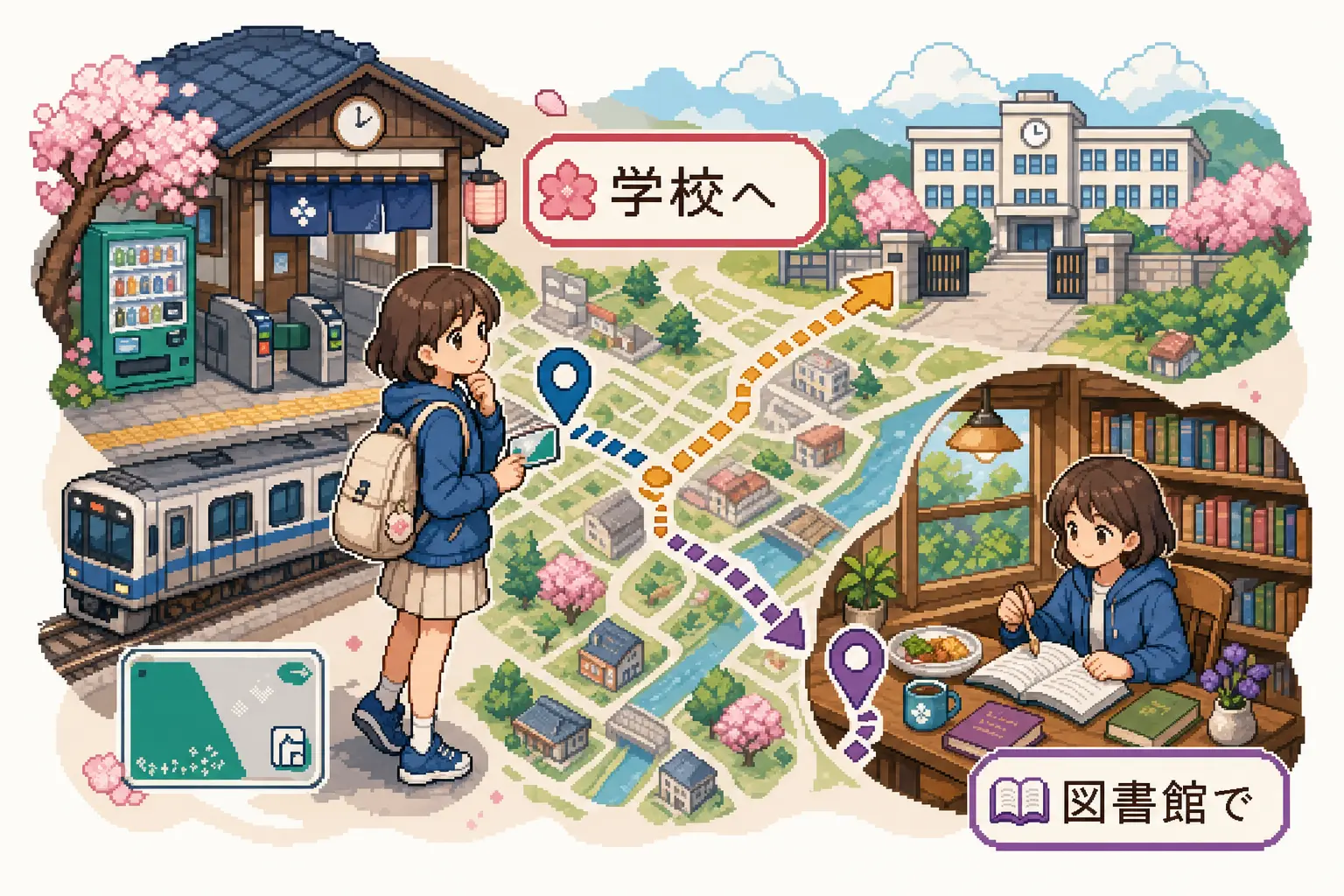
実践的な日本生活のアドバイスと、初心者向けの語学ノートをまとめています。筆者の実体験と調査に基づいており、日本での体験をより豊かにするための出発点としてお役立てください。
Language Basics
Common Japanese Words and Expressions
Learn greetings, polite daily expressions, and why 大丈夫です can mean anything from 'I am fine' to 'No thank you' depending on context.
Best for beginners, travelers, and daily conversation
Student Life
Part-Time Work in Japan
Permission first, studies first, and 28 hours per week during regular terms for most student workers.
Best for students and long-stay learners
Travel Basics
Shopping in Japan
Tax-free shopping can save money, but you need your passport and should not assume every store handles it the same way.
Best for visitors and new arrivals
Culture
First Date Etiquette in Japan
Treat this as social guidance, not law: be on time, keep plans simple, and avoid assuming the other person wants imported dating habits.
Best for newcomers navigating social norms
Travel Planning
Planning a Vacation in Japan
Plan around major holidays, get an IC card quickly, use luggage delivery when needed, and know 110 and 119 before you need them.
Best for first-time visitors and repeat travelers
Food Culture
Dining Out in Japan
No tipping, ask for alternative utensils if needed, and do not panic if noodles are being slurped around you.
Best for visitors, students, and everyday life
Daily Life
Everyday Manners in Japan
Public etiquette is the real culture lesson: silent phones, queue awareness, and watching what the space expects before acting.
Best for anyone living in or visiting Japan
Getting Around
Getting Around Japan: Trains, IC Cards, and Transit Etiquette
Get an IC card on arrival, look up your transfer in advance, and stay quiet on the train — these three habits cover most situations you will encounter.
Best for first-time visitors, daily commuters, and students living in Japan
Language Basics
Japanese Numbers and Counting
There are two ways to say most numbers in Japanese, and counting objects requires a word called a counter that changes by category. Most real-life situations use the same handful of counters.
Best for beginners, travelers, and anyone who needs to handle prices, quantities, and times in Japanese